Shopping cart
Your cart empty!
Loading...

Your cart empty!

Join 10k+ people to get notified about new posts, news and tips.
Do not worry we don't spam!
Oct 25, 2025 • 205 views
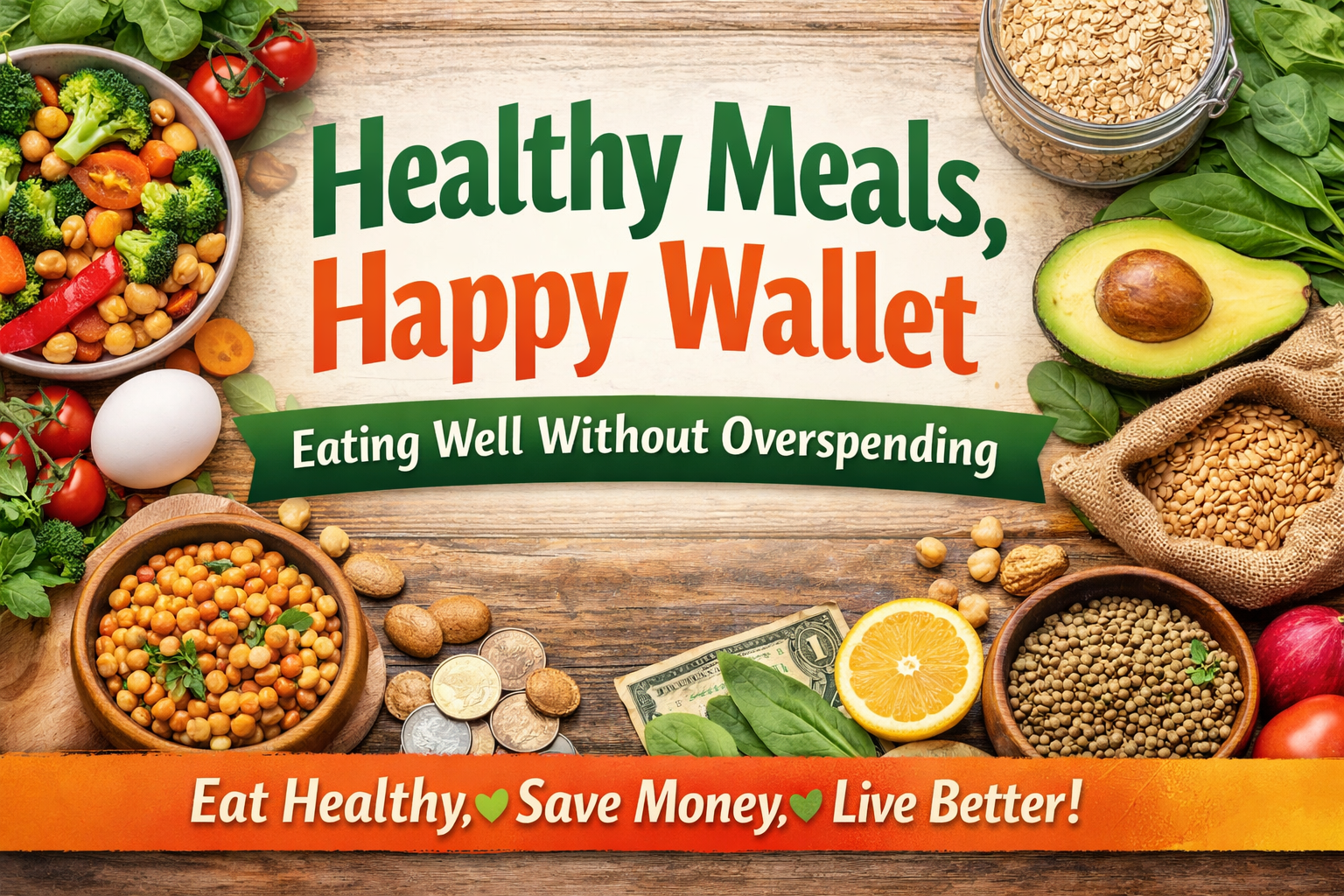
Eating healthy doesn’t have to mean expensive grocery bills or fancy superfoods. With smart planning and simple choices, you can enjoy nutritious meals while keeping your budget under control. Healthy eating is more about balance, awareness, and consistency than costly ingredients.
Meal planning is the foundation of budget-friendly healthy eating. Preparing a weekly meal plan helps reduce impulse buying and food waste. Stick to your shopping list and focus on basic, wholesome ingredients like rice, lentils, eggs, oats, fruits, and vegetables.
Seasonal fruits and vegetables are fresher, tastier, and more affordable. Buying local produce also supports farmers while keeping costs low. Frozen vegetables are another smart option, offering long shelf life and high nutritional value.
Home-cooked meals are healthier and much cheaper than eating out. Cooking at home gives you control over ingredients, portions, and cooking methods. Simple dishes like dal, soups, salads, vegetable curries, and one-pot meals are nutritious and budget-friendly.
Plant-based proteins such as lentils, chickpeas, beans, peanuts, and soy are economical and rich in nutrients. If you consume meat or dairy, buy in bulk during sales and use moderate portions to make meals last longer.
Packaged and processed foods often cost more and offer less nutrition. Reducing sugary snacks and ready-made meals while drinking more water can improve both your health and your monthly grocery budget.
Healthy eating on a budget is all about making informed choices. With thoughtful planning and simple cooking habits, you can enjoy nutritious meals every day without overspending—keeping both your body and wallet happy.